Choosing an engagement ring is no small decision.
It is a symbol of love, commitment, and a piece of jewelry that will be cherished for a lifetime.
But in 2025, there is a big debate in the diamond world: lab-grown vs. natural diamonds. If you are a jewelry lover, a jeweler, or someone shopping for the perfect ring, you have probably asked yourself—what is the best choice?
Let us break it down and help you make an informed decision.
What Are Lab-Grown and Natural Diamonds?
Before diving into the pros and cons, let us get one thing straight.
Whether you’re going for a necklace or an engagement ring, choosing the type of diamond makes a real difference.
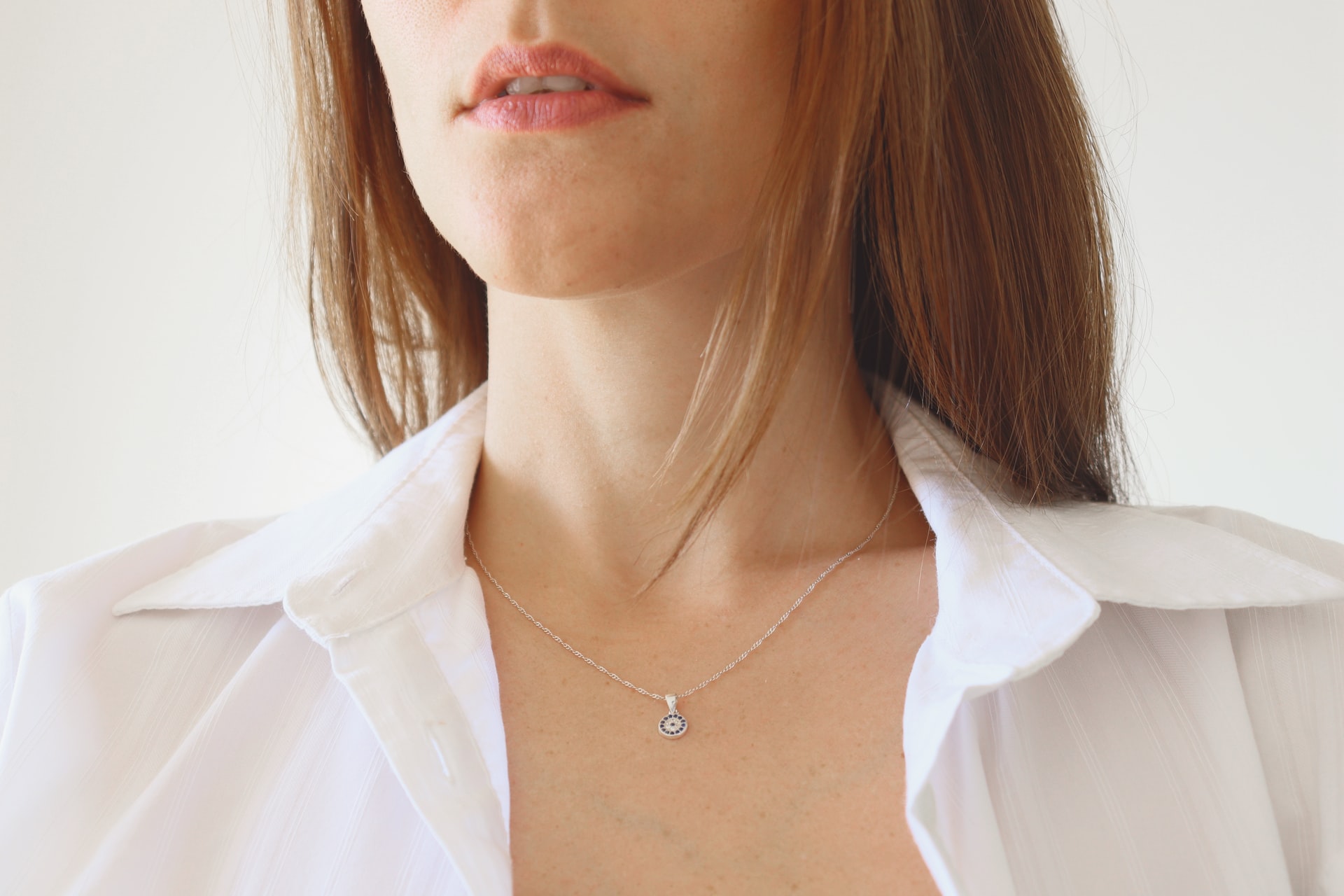
Nowadays, teens prefer to buy elegant and timeless necklaces that are made of either natural or labgrown diamond.
But is the lab-grown diamond really worth it?
A lab-grown diamond is not fake. It is a real diamond, just created in a controlled environment instead of forming deep within the Earth over billions of years.
- Natural diamonds are mined from the Earth and are created through immense heat and pressure over time.
- Lab-created diamonds are made using advanced technology that mimics the natural diamond-growing process. The result? A diamond that is chemically, physically, and visually the same as a natural one.
At a glance, even expert jewelers need special equipment to tell the difference. But does that mean they are equal in every way? Not quite.
The Big Debate: Which One is Better?
1. Price and Affordability
If budget plays a role in your decision, lab-grown diamonds are the winner. Since they are created in a lab rather than mined, they usually cost 30-50% less than their natural counterparts. That means you can get a bigger or higher-quality diamond for the same price.

2. Ethical and Environmental Impact
The demand for ethical engagement rings is rising. Many buyers do not want a diamond that may have come from a conflict zone or contributed to environmental damage. You can learn more about such options here.
- Natural diamonds require mining, which can lead to deforestation, soil erosion, and carbon emissions.
- Lab-grown diamonds are considered sustainable diamonds because they require far fewer natural resources and do not involve mining.
If you are looking for a conflict-free diamond, lab-grown is the clear choice.
3. Value Over Time
If you are thinking about resale value, natural diamonds have an advantage. They have a well-established market, and their value holds up over time. Lab-grown diamonds, however, tend to depreciate faster because they can be mass-produced.

4. Quality and Appearance
Can you spot the difference between lab-grown diamonds vs. real diamonds with your naked eye? Probably not.
- Both have the same brilliance, hardness, and durability.
- Both score a 10 on the Mohs hardness scale, meaning they are incredibly strong and resistant to scratching.
The main difference? Natural diamonds often have unique inclusions (tiny imperfections), while lab-grown ones tend to be nearly flawless.
5. Emotional and Symbolic Value
For some people, the origin of the diamond matters emotionally. Natural diamonds carry the mystique of being formed over billions of years. There is something romantic about wearing a piece of the Earth’s history.
On the other hand, lab-grown diamonds represent innovation and modern love. If you love the idea of technology meeting tradition, lab-created diamonds may be the perfect fit.
Engagement Ring Trends in 2025
With engagement rings, trends shift each year. Here is what is big in 2025:
- Lab-grown diamonds are rising in popularity—more couples are choosing them for affordability and ethical reasons.
- Diamond alternatives are gaining traction. Moissanite, sapphire, and even emerald engagement rings are becoming trendy.
- Custom designs are in demand. More buyers want unique rings with personalized touches, whether that is a hidden gemstone or an engraved message inside the band.
- Yellow gold is making a comeback. White gold has ruled the engagement ring industry for years, but warm-toned metals are gaining favor again.
Lab-Grown Diamond Pros and Cons
| Pros | Cons |
| More affordable | Lower resale value |
| Conflict-free | Can be mass-produced |
| Eco-friendly | May not carry the same sentimental value |
| Visually flawless | Some buyers prefer natural rarity |
Natural Diamond vs. Synthetic Diamond: Final Thoughts
So, which one should you choose? The answer depends on your priorities.
- If you want affordability, ethical sourcing, and sustainability, lab-grown diamonds are a fantastic choice.
- If you value tradition, long-term investment, and resale value, a natural diamond might be the better fit.
Either way, the most important thing is choosing a ring that feels right for you and your partner. After all, the diamond is just the beginning—the love story behind it is what truly matters.